
When a friend loses a pet, most of us freeze. We want to say something — but we’re afraid of saying the wrong thing. So we say nothing at all.
When my golden retriever Max passed away after twelve years together, I experienced both sides of this. Some friends reached out immediately — even just a text that said “I’m thinking of you and Max today.” Those words stayed with me. Others said nothing, and I understood why — but the silence left me feeling like my grief was invisible, like it didn’t quite count.
What surprised me most was how little the words themselves mattered. What mattered was that someone showed up. Today I want to help you be that person for your friend.
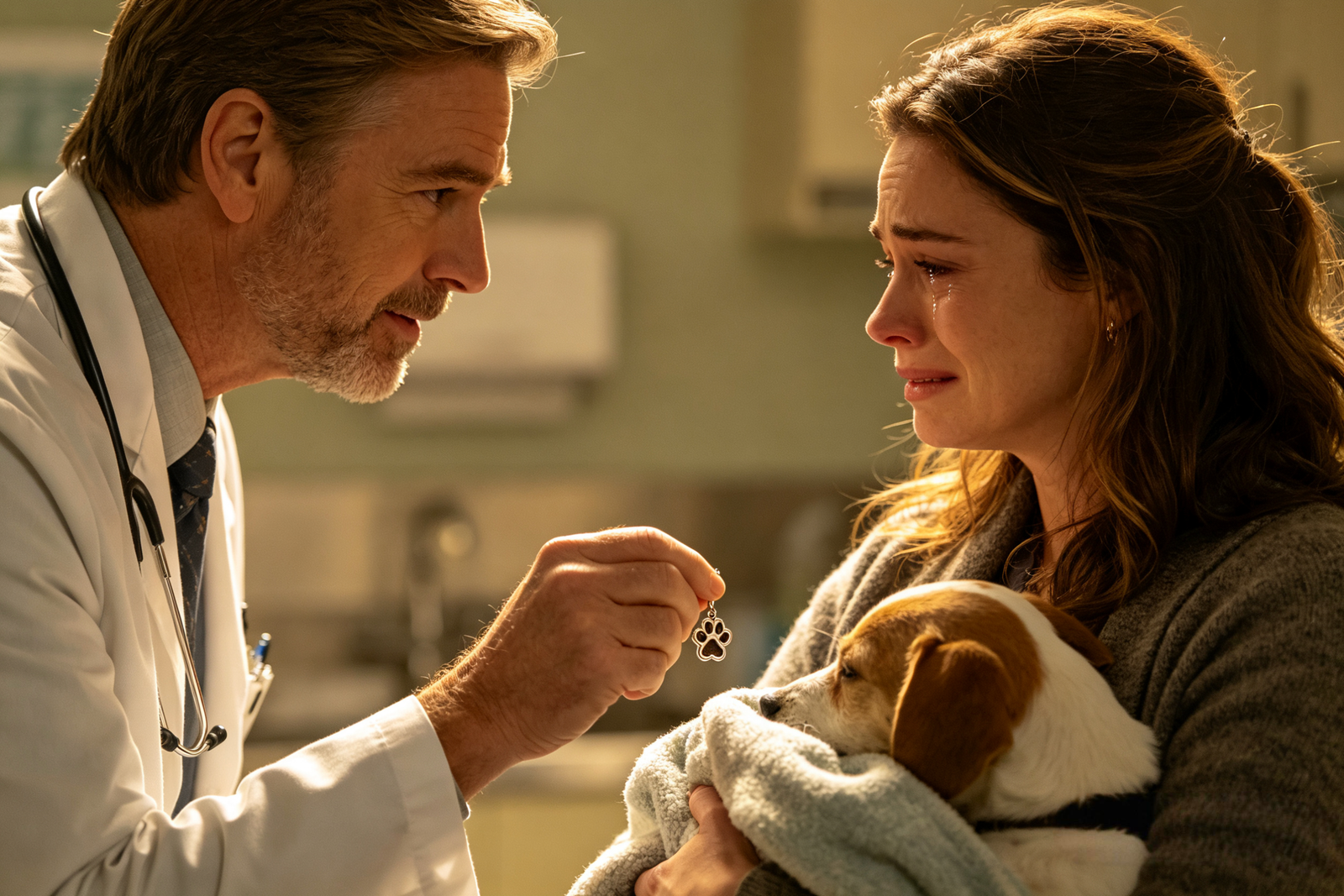
Why Your Words Matter More Than You Think
When someone loses a pet, they often grieve in isolation. Friends don’t know what to say, so they say nothing — and the grieving person is left feeling like their loss doesn’t quite count.
Losing a pet condolences don’t need to be perfect. They need to be present. A single sentence of condolences on losing a pet — “I’m so sorry. I’m thinking of you and [name]” — can break through that loneliness in a way silence never can. Condolences for losing a pet, death of a pet condolences, a losing a pet message, a pet bereavement quote, a saying for losing a pet — whatever form it takes, what matters is that you showed up. If you need words to borrow, our poems, quotes and sayings about losing a pet has options organized by emotion.
What to Say — Based on Your Relationship
How you offer condolences depends on how close you are. Here’s a guide by relationship, with words you can use right now.
For a Close Friend
You have permission to go deeper. Use their pet’s name. Reference a specific memory if you have one. Show up in person or call — don’t just send a text.
“I’ve been thinking about you and [name] so much. I know how much they meant to you — and I know this loss is real. I’m here, for whatever you need.”
“I remember the way [name] used to [specific memory]. They were such a big part of your life. I’m so sorry.”
“You don’t have to be okay right now. I’m not going anywhere.”
For a Colleague or Acquaintance
Keep it warm but simple. A message or card is appropriate — you don’t need to call. The goal is to acknowledge the loss without putting pressure on them to respond.
“I heard about your pet and wanted to reach out. I’m so sorry for your loss — I hope you’re able to take some time for yourself.”
“Thinking of you during this difficult time. Losing a pet is a real loss, and I’m sorry you’re going through it.”
Following Up a Week Later
Most people reach out on the first day — and then disappear. But grief doesn’t end after day one. A message a week later, when the initial support has faded, can mean more than anything said at the beginning.
“Still thinking of you and [name]. How are you holding up?”
“Just checking in. No need to reply — I just want you to know I’m still here.”
This is one of the most powerful things you can do — and almost no one does it.
A Gift That Says What Words Can’t
Sometimes the most meaningful condolences aren’t words at all. A thoughtful gift — something personal, something that honors the pet specifically — can say what you couldn’t find the language for.
A personalized memorial keepsake, a custom portrait, or a sympathy candle are among the most meaningful options. For a full guide on what to send, see our article on pet sympathy gifts and condolence ideas.
What Not to Say
These phrases are almost always well-intentioned. But they can sting — and it’s worth knowing why.
“At least they lived a long life.” Even if true, this minimizes the loss. The length of a life doesn’t reduce the depth of the grief.
“You can always get another pet.” This implies the pet was replaceable. To your friend, they weren’t.
“It was just a dog / just a cat.” There is no “just.” Ever. This phrase, more than almost any other, makes grieving pet owners feel unseen and ashamed of their pain.
“I know how you feel.” Even if you’ve experienced pet loss, grief is personal. Try instead: “I can only imagine how hard this is.”
“They’re in a better place.” This can feel dismissive if offered too quickly, especially to someone who isn’t religious. Let your friend find their own meaning — don’t assign it for them.
When in doubt: say less, mean more. Knowing death of a pet what to say is less important than simply showing up. “I’m so sorry. I’m here.” is always the right thing to say.
What to Do After You’ve Said Something
Words are a start. But how you show up in the days that follow matters just as much.
Send a card. A handwritten card — with their pet’s name in it — is something your friend may keep for weeks. A pet loss sympathy card message doesn’t need to be long — a loss of pet card message like “I’m thinking of you and [name]” is enough. If you’re not sure what to write, our guide on pet bereavement cards has ready-to-use messages for every relationship.
Share a poem or quote that might help. Sometimes your friend needs words you couldn’t find yourself. A meaningful poem or quote about loss can do that quietly. Our collection of poems, quotes and sayings about losing a pet has ones organized by emotional stage — so you can find something that fits where they are right now.
Help them create a place to remember. One of the most lasting things you can do is encourage your friend to write about their pet — their name, their personality, a favorite memory. Our Rainbow Bridge Memorial page is a space created exactly for this. You could even write something there yourself, as a tribute to their pet. It’s a small act that says: they mattered, and I remember them too.
If they’re struggling to take time off work, they may not know that some employers offer pet bereavement leave — or that PTO is always an option. Our guide on pet bereavement leave walks through what to do and how to ask.
Give them space, but don’t disappear. Check in once a week for the first month. Knowing how to support someone who lost a pet isn’t about grand gestures — it’s about consistency.
Don’t rush their grief. Grief has its own timeline. Your job is to stay present, not to manage the pace.
FAQ: Losing a Pet Condolences
Is it appropriate to send flowers when someone loses a pet? Yes — flowers are a warm and appropriate gesture for pet loss. If you want something more lasting, a small memorial item or potted plant may feel more meaningful.
How long should I keep checking in after someone loses a pet? Check in for at least a month. The first week brings the most support — but a message two or three weeks later, when others have moved on, is often the most appreciated.
Should I bring up the pet’s name or avoid it? Always use their name — it acknowledges that the pet was real and that their loss matters. Avoiding it can feel like the pet is being erased.
What if I don’t know what to say — is silence okay? No — even an imperfect message is better than silence. “I don’t know what to say, but I’m here” is always enough. What to say when someone loses a pet doesn’t have to be eloquent — it just has to be honest. What not to say when someone loses a pet matters too: avoid minimizing phrases. What to send when someone loses a pet — a card, a message, a gift — is always better than nothing.
What is a good gift for someone who lost a pet? A custom memorial keepsake, sympathy candle, or handwritten card are the most meaningful choices. A personalized gift — like a custom portrait or memorial pillow — says I thought of them specifically. Pair it with a simple losing a pet message or a condolence message for loss of pet. How to comfort someone who lost a pet goes beyond words. For more ideas, see our guide on pet condolence gifts and sympathy ideas.
You don’t need the perfect words. You just need to show up.
Silence feels safe — but to the person grieving, it can feel like their loss isn’t worth acknowledging. Death of a pet what to say has no perfect answer — and condolences on losing a pet, however simple, are always better than silence. Death of a pet condolences don’t need to be grand. Condolences for losing a pet don’t need to be eloquent. They just need to be real.
Your friend is carrying something heavy. Be someone who helps them carry it.
What’s the most helpful thing someone said to you after losing a pet — or the hardest? Share in the comments. And if you’d like to create a space to honor your own pet’s memory, visit our Rainbow Bridge Memorial page.
Jessica Merrow is a pet loss grief counselor and writer who has supported hundreds of grieving pet owners through one of life’s most painful experiences. After losing her golden retriever Max unexpectedly, she dedicated herself to understanding the psychology of pet grief — and helping others feel less alone in it.