
The morning I lost Max, I hadn’t said goodbye.
He was fine at breakfast — tail wagging, nudging my hand for an extra piece of toast. By afternoon, he was gone. No warning. No time to prepare. Just an ordinary Tuesday that became the worst day of my life.
If you’re reading this, you probably know exactly what losing a pet suddenly feels like. The phone call from the vet you didn’t expect. The accident that happened too fast. The moment everything changed — and you weren’t ready.
Sudden pet loss is its own kind of grief. And the death of a pet that happens without warning deserves to be understood that way.
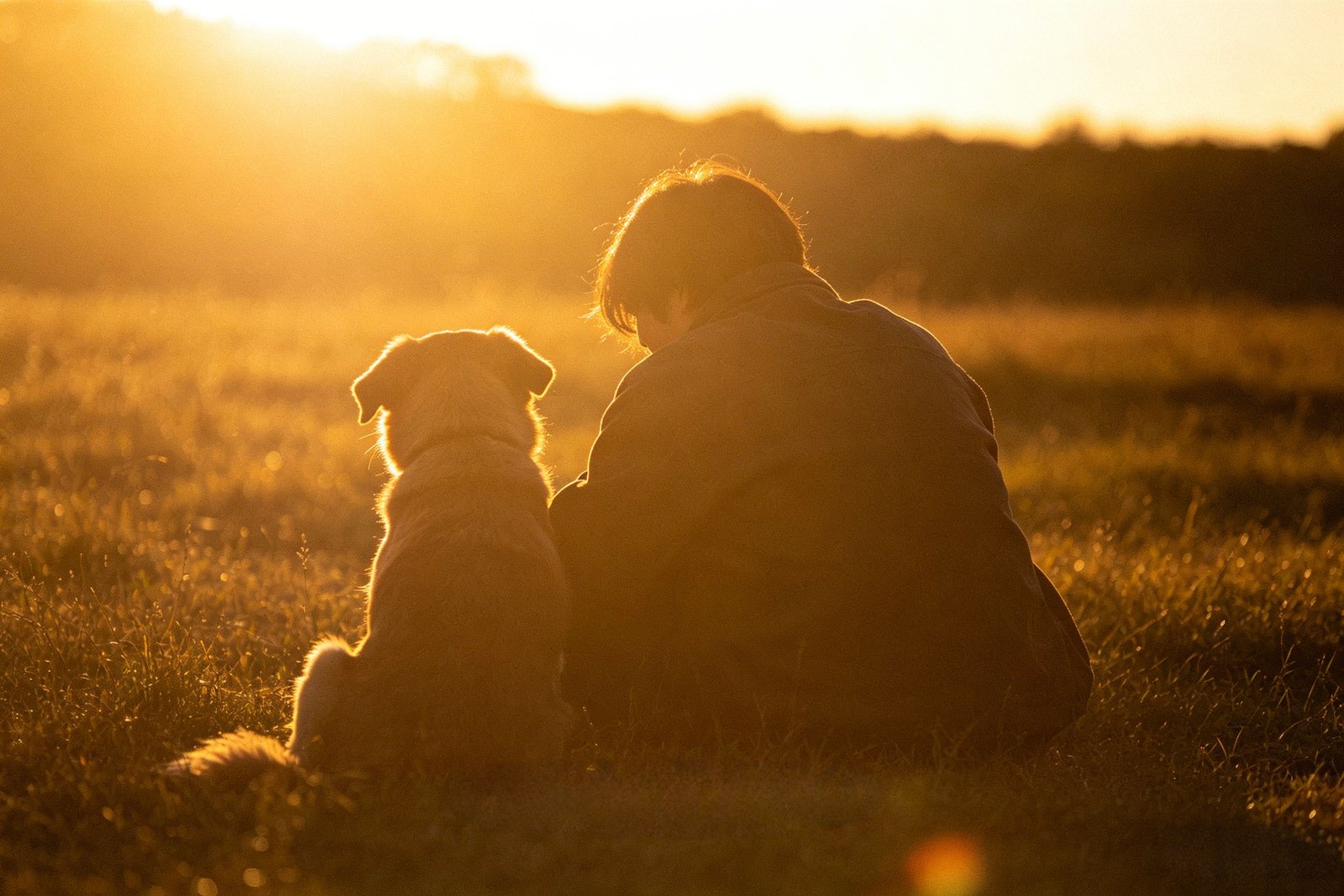
Why Losing a Pet Suddenly Hits Differently
When a pet dies after a long illness, there’s time — however painful — to start adjusting. You say extra goodbyes. You take more photos. You prepare yourself, at least a little.
Sudden pet loss takes all of that away.
What you’re left with is shock layered on top of grief. The death of a pet that happens without warning doesn’t give your mind any time to begin processing before the loss has already happened. Losing a pet suddenly means the grief arrives all at once — and that combination of shock and loss is uniquely brutal.
This is why grief after losing a pet suddenly often feels different from other kinds of loss. Many people describe feeling “frozen” or “unreal” in the hours and days that follow. That’s not weakness. That’s your nervous system doing exactly what it’s designed to do when something overwhelming happens: it slows everything down to protect you.
Losing a pet grief also carries something that doesn’t always appear with anticipated loss — guilt.
I should have been watching more carefully. I should have taken her to the vet sooner. Why didn’t I stay home that day?
These thoughts feel very real, but they’re not the truth. They’re your mind trying to find a way to make sense of something senseless. Part of healing from sudden pet loss is learning to be as gentle with yourself as you would be with a friend who said those same words to you.
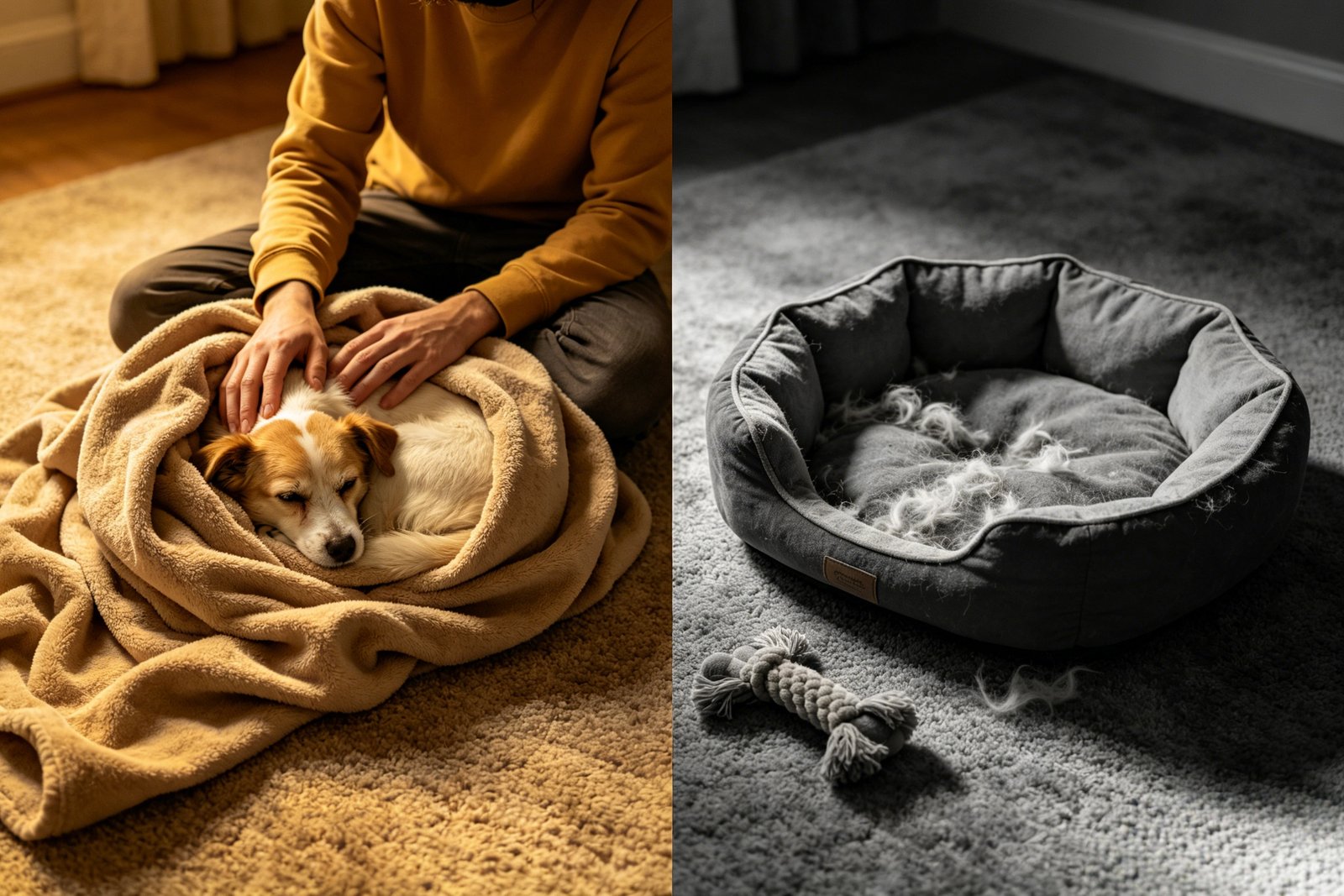
How to Cope with Losing a Pet Suddenly: What to Expect
Unexpected pet loss often brings an intense sense of pet loss shock that can feel overwhelming in the first few days. Many people experiencing the sudden death of a dog or the sudden death of a cat describe feeling emotionally numb before the grief fully sets in. Finding pet loss support early — whether through friends, online communities, or professional counseling — can make coping with pet loss feel less isolating.
Understanding what grief after losing a pet actually looks like can make the experience feel less frightening. Here’s what commonly comes up in the weeks after sudden pet loss:
- Shock and disbelief. Even when you know intellectually that they’re gone, part of you keeps expecting them to come through the door. With sudden pet loss, this phase tends to last longer — sometimes weeks — because there was no gradual preparation.
- Guilt and “what ifs.” Almost universal after losing a pet suddenly. The key is to notice these thoughts without letting them become a permanent story you tell yourself.
- Anger. Sometimes at the vet, at the circumstances, at yourself, at the universe. Anger is grief in disguise — it’s just losing a pet grief with somewhere to point itself.
- Physical symptoms. Difficulty sleeping, changes in appetite, a heaviness in your chest. Grief lives in the body, not just the mind. These symptoms are real and valid.
- Social disconnection. Not everyone understands the depth of the bond between a person and their pet. That isolation can make grief after losing a pet feel even heavier.
What to Do After a Pet Dies Unexpectedly
After working with hundreds of people through sudden pet loss, I’ve seen what genuinely moves people forward — and what keeps them stuck.
What helps:
Let yourself grieve out loud. Suppressing grief doesn’t make it smaller. It just delays it. Cry if you need to. Talk about your pet. Say their name. Give yourself permission to feel the full weight of losing a pet suddenly.
Tell the story. One of the most healing things you can do is simply tell people what happened. Putting the experience into words helps your brain begin to process the sudden pet loss. Write it down if you can’t say it aloud yet.
Keep small rituals alive for now. If you used to feed them at 7am, you don’t have to immediately change that routine. Small acts of continuity can be comforting in the early days of losing a pet grief.
Find people who understand. If the people around you don’t quite get it, find someone who does. Online pet loss communities are full of people who will never say “it was just a dog.”
Let the grief move at its own pace. There’s no timeline for how to cope with losing a pet suddenly. Some people start to find their footing after a few weeks. For others it takes months. Both are normal.
What doesn’t help:
Trying to “get over it” quickly. Replacing the pet immediately to avoid the grief. Isolating completely. Letting guilt turn into self-punishment. None of these shorten the grief after losing a pet — they just change its shape.
How Long Does Grief Last After Sudden Pet Loss?
This is one of the most common questions I hear — and there’s no single answer.
For most people, the acute phase of sudden pet loss grief — the shock, the disbelief, the waves of intense sadness — begins to soften somewhere between 4 and 12 weeks. But grief after losing a pet suddenly doesn’t follow a schedule. It moves in waves, not a straight line.
What matters more than a timeline is whether the grief is moving — whether you’re having occasional good moments, even if they’re brief. If you feel completely stuck for an extended period, that’s a signal to reach out for support.
Honoring a Pet You Lost Without Warning
There’s no right way to memorialize a pet who died suddenly. But many people find that doing something — however small — helps the grief feel less formless.
Some ideas:
- Create a small space in your home with a photo and something that belonged to them
- Write them a letter — say the things you didn’t get to say
- Share a memory with someone who knew them
- Plant something in their name
- Order a personalized memorial keepsake — something you can hold when the grief feels too big to carry
The goal isn’t to “move on.” It’s to find a place to put your love for them — somewhere it can live, even now that they’re gone.
FAQ: Losing a Pet Suddenly
Why does sudden pet loss hurt so much? Because the bond between a person and their pet is real — built through years of daily connection, routine, and unconditional love. Losing a pet suddenly removes all of that without warning, leaving both emotional and physical grief in its wake.
Is it normal to feel guilty after sudden pet loss? Yes. Guilt is one of the most common responses to losing a pet suddenly, especially when there was no chance to prepare or say goodbye. It’s your mind searching for control in a situation that felt uncontrollable — not evidence that you did something wrong.
How do I cope with losing a pet suddenly when others don’t understand? Find people who do — whether that’s a friend who loved your pet, an online pet loss community, or a grief counselor who specializes in pet bereavement. Your grief is valid regardless of whether the people around you recognize it.
What should I do immediately after losing a pet unexpectedly? Give yourself permission to be in shock. You don’t have to make decisions, explain yourself, or “be okay” right away. The immediate days after sudden pet loss are about survival — eating, resting, and letting people who care about you show up.
A Note on Getting Support
If your grief feels completely unmanageable — if you’re struggling to function, eat, or sleep for an extended period — please consider reaching out to a grief counselor who works with pet loss. The bond you had with your pet was real. The grief after losing a pet is real. And you deserve real support.
The Pet Loss Support Hotline and the Association for Pet Loss and Bereavement (aplb.org) both offer free or low-cost resources.
Losing a pet suddenly is one of the most disorienting forms of grief there is. There’s no preparation, no closure, no chance to say what you needed to say.
But grief isn’t something to fix or finish. It’s something to move through — at your own pace, in your own way, with as much gentleness toward yourself as you can manage.
Max taught me that. I hope whatever helped you find this article today leads you toward something that helps you heal.
If you’re going through this right now, you don’t have to go through it alone. Share your pet’s name in the comments — we’re here to listen.
You can also visit our Rainbow Bridge Memorial page to honor their memory.
Jessica Merrow is a pet loss grief counselor and writer who has supported hundreds of pet owners through one of life’s most painful experiences. After losing her golden retriever Max unexpectedly, she dedicated herself to understanding the psychology of pet grief — and helping others feel less alone in it.
If you’re going through this right now, you don’t have to go through it alone. Share your pet’s name in the comments — we’re here to listen.