The Complete 2025 Guide to Smart Collars & Pet GPS Trackers: Accuracy, Comfort, Battery, and Innovation
In 2025, smart collars and pet GPS trackers have become essential companions—blending love, safety, and technology. What began as simple location tags has evolved into intelligent systems that track, protect, and understand our pets. With modern low-power LTE-M networks, these collars keep you connected—whether your pet roams the neighborhood or naps by the window.
How Accurate Are GPS Trackers for Pets?
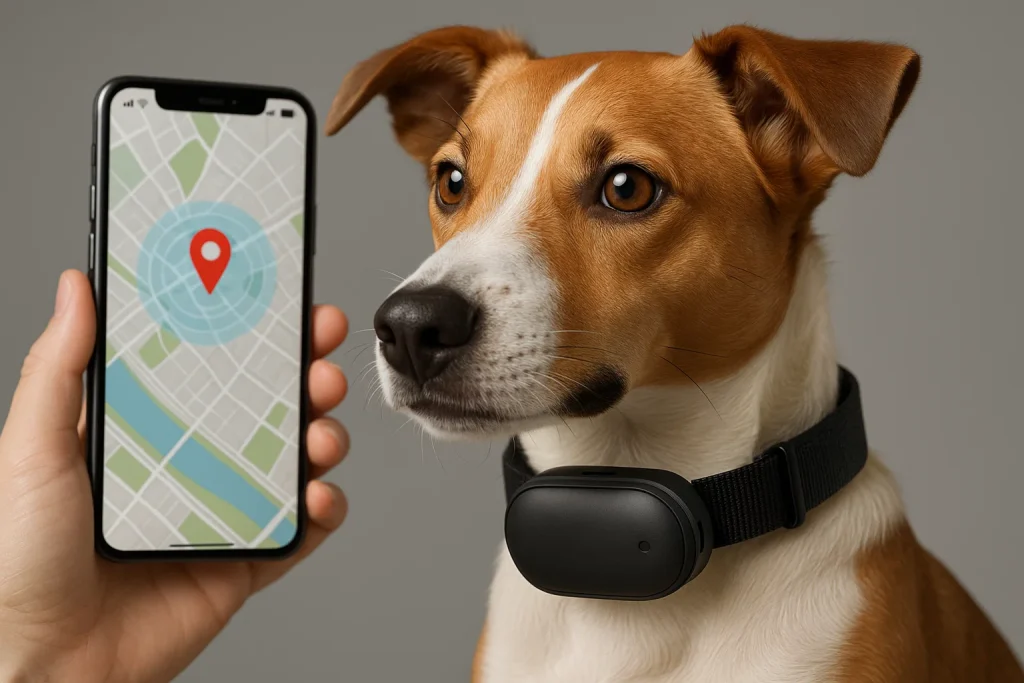
Modern pet GPS trackers use multi-constellation satellite systems—GPS, GLONASS, and Galileo—to deliver precision within 3–5 meters in open areas.
In rural or suburban zones, accuracy remains stable. Dense urban areas can cause minor deviations due to the urban canyon effect, but top models like Fi Series 3 and Tractive LTE 2 offset this through Wi-Fi triangulation and cell-tower assistance, ensuring smooth, real-time tracking even indoors.
When David’s cat Loki escaped through a window, his Fi app mapped every rooftop step—proof that GPS precision is as emotional as it is technical.
Do Trackers Need Subscription Plans?
Yes, most do. GPS collars rely on cellular networks (LTE-M or 5G) to transmit live location data, which typically requires a monthly or yearly subscription to cover SIM activation, roaming, and cloud services.
| Model Type | Key Technology | Subscription Required? |
|---|---|---|
| Cellular-Based | LTE-M (Fi Series 3, Tractive LTE 2, Whistle Health 2) | Yes – for long-distance tracking |
| Subscription-Free | Bluetooth / RF (Petfon 3, Findster Duo+) | No – limited to short range |
For short walks or fenced yards, subscription-free models work well. But for reliable distance tracking and alerts, cellular-backed devices remain the gold standard.
Are Smart Collars Comfortable and Safe?
Yes. The best smart collars are designed for comfort and durability.
- Comfort: Lightweight nylon, silicone, or Biothane prevents chafing. Look for hypoallergenic linings, smooth edges, and adjustable straps.
- Safety: Breakaway clasps protect cats from snags, while stainless-steel hardware prevents irritation for sensitive skin.
When Emma’s Dachshund Milo resisted a heavy collar, she switched to a Tractive Mini, and he immediately relaxed. The right fit makes technology feel like freedom—not restraint.
How Long Does Battery Life Last?
Battery performance depends on tracking frequency, signal quality, and collar size. Many top brands now feature smart power management to extend runtime.
| Model | Average Runtime | Power-Saving Feature |
|---|---|---|
| Fi Series 3 | Up to 3 months standby / 3 weeks active | LTE-M + Wi-Fi geofencing |
| Whistle GO Explore 2 | Around 20 days | Smart sleep detection |
| Tractive LTE 2 | 2–5 days (live tracking) | Power-saving zones |
| Garmin T 20 | 68 hours continuous | Swappable battery modules |
When Ben’s rescue dog Cleo ran off during a camping trip, her Fi collar still had 40 percent power after four days, allowing a happy reunion.
How Reliable Are GPS Trackers in Different Environments?
Reliability varies by terrain and coverage—but the best trackers use hybrid systems to stay connected.
- Rural or Open Fields: Clear satellite view yields 3–5 m accuracy.
- Urban Areas: Wi-Fi and cell-tower data reduce signal bounce.
- Forests or Hills: Multi-network SIMs and cached data prevent dropouts.
- Weather: IP68 waterproofing keeps trackers functional through rain, snow, or brief submersion (1.5 m for 30 minutes).
When Sarah’s senior dog Buddy wandered off in a snowstorm, her Tractive collar slowed its updates but never lost connection—proof that reliability means persistence.
What Additional Features Do Smart Collars Offer?
The 2025 generation of smart collars extends far beyond tracking:
- Health Monitoring: Track heart rate, sleep, and activity (Whistle Health 2).
- Temperature Alerts: Prevent overheating or hypothermia (Tractive LTE 2).
- LED Safety Lights: Improve night visibility.
- Vibration Cues: Help with recall training for deaf or anxious pets.
- Smart Home Integration: Sync with Alexa or Google Home for hands-free updates.
- AI Route Prediction: Fi’s system anticipates where a runaway pet might go next.
When Ella adopted Rex, a deaf rescue dog, she trained him using vibration cues. Within weeks, Rex responded instantly—showing how tech can strengthen trust.
What Are the Best GPS Trackers for Pets in 2025?
| Model | Best For | Key Highlights |
|---|---|---|
| Fi Series 3 | Accuracy & Endurance | 3-month standby, LTE-M, multi-satellite precision |
| Tractive LTE 2 | Everyday Tracking | Real-time GPS, health + temp alerts, IP68 waterproof |
| Whistle Health 2 | Wellness Insights | Heart rate, sleep, and activity analytics |
| Garmin T 20 | Outdoor Adventures | Rugged build, VHF mode, long battery life |
| Pawfit 3s / Tractive Mini | Cats & Small Pets | Lightweight, escape alerts, IP68 waterproof |
Each device balances performance, comfort, and reliability, ensuring that no matter how far your pet wanders, connection is never lost.
FAQ – Quick Answers About Smart Collars & GPS Trackers
- How accurate are pet GPS trackers?
Top models using GPS + GLONASS + Galileo deliver 3–5 m accuracy in open spaces. - Do GPS trackers require a subscription?
Yes, most LTE models do. Bluetooth or RF trackers like Petfon 3 work fee-free but have limited range. - Are smart collars safe for pets?
Absolutely. Choose padded, hypoallergenic materials and breakaway clasps for cats. - How long does a GPS collar battery last?
From 2 days (live) to 3 months (standby) depending on model and settings. - Are GPS trackers reliable in bad weather?
Yes. IP68 waterproofing and multi-network SIMs ensure stable tracking through rain or snow. - What extra features do smart collars offer?
Health tracking, LED lights, temperature alerts, vibration cues, and smart-home connectivity. - What’s the best GPS tracker for pets in 2025?
The Fi Series 3 leads overall for endurance and accuracy, followed by Tractive LTE 2 for everyday use.