
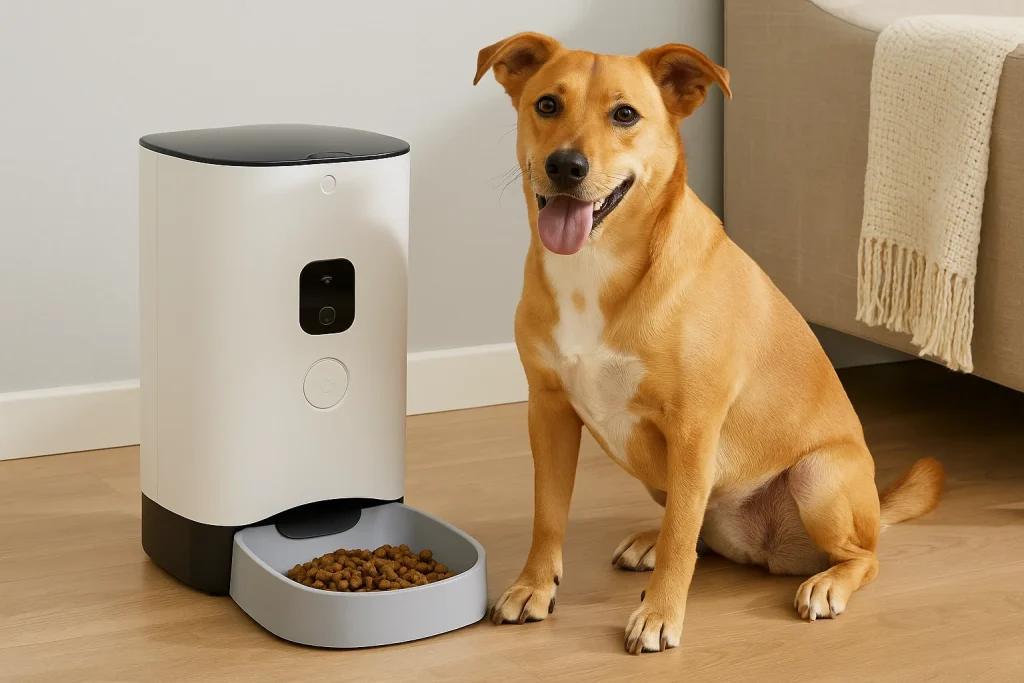
Smart feeders promise convenience—but what happens when the Wi-Fi drops or the lights go out? For pet owners who travel or live in areas with unreliable internet, reliability matters more than flashy features. Thankfully, most well-designed feeders are built with failsafes that keep meals coming, even when tech falters.
Do Feeders Have Battery Backup for Power Outages?
Yes, and it’s one of the most crucial safety nets. Many modern smart feeders include a battery backup system, often powered by AA or D batteries, that automatically activates during outages. These systems store feeding schedules in local memory and continue dispensing food on time—even if your house is pitch black.
When Kyle’s home in Texas lost power during a winter storm, he was terrified his two cats would go hungry. Fortunately, his battery-supported automatic feeder kicked in seamlessly. “The Wi-Fi was gone, but the feeder worked like nothing happened,” he said. That reliability turned a stressful situation into reassurance.
When buying, always check the battery duration—some models last only a few days, while others can run for weeks. Replace batteries every few months to ensure uninterrupted feeding.
Can Smart Feeders Store Data Offline?
Most premium feeders can. They use local storage chips or built-in microcontrollers to save your pet’s feeding plan. This means even without a cloud connection, the device “remembers” when and how much to serve.
Emily, who lives in a rural area with spotty internet, uses a Wula Planet Smart Feeder that syncs data locally. “Sometimes I lose connection for hours,” she said, “but my dog Max still gets his dinner on the dot.” For owners like her, offline capability isn’t a luxury—it’s peace of mind.
Offline memory also protects against app errors. If your phone crashes or you lose signal, the feeder doesn’t stop—it keeps feeding on its preloaded schedule.
What Happens If the Internet Disconnects?
When the Wi-Fi cuts out, most feeders switch to offline mode automatically. You might lose app-based functions like camera viewing or real-time notifications, but the essential schedule continues. The smart feeder’s internal clock ensures it dispenses food according to the last saved plan.
However, cheaper models may rely entirely on cloud commands, which can fail without connection. That’s what happened to Olivia when she first tried a low-cost feeder—her cat, Leo, missed breakfast during a network outage. She later upgraded to a model with dual operation modes (online + offline) and error alerts that notify when connection or power is lost.
For ultimate reliability, look for feeders that combine:
- Battery backup (so meals continue during power loss)
- Local data storage (to maintain schedules offline)
- Alert systems (to notify you when issues arise)
The best feeders aren’t just smart—they’re self-sufficient. Even when Wi-Fi fades or the lights flicker, a dependable device ensures your pet never has to wait for dinner.