Complete Guide To Automation & Smart Home Integration
Smart homes aren’t just for people anymore—they’re for pets, too. With connected feeders, cameras, litter boxes, and temperature controls, pet owners can create homes that nurture safety, comfort, and companionship, even from afar. But real automation isn’t about replacing love—it’s about extending it.
How to Integrate Pet Devices with Smart Home Systems?
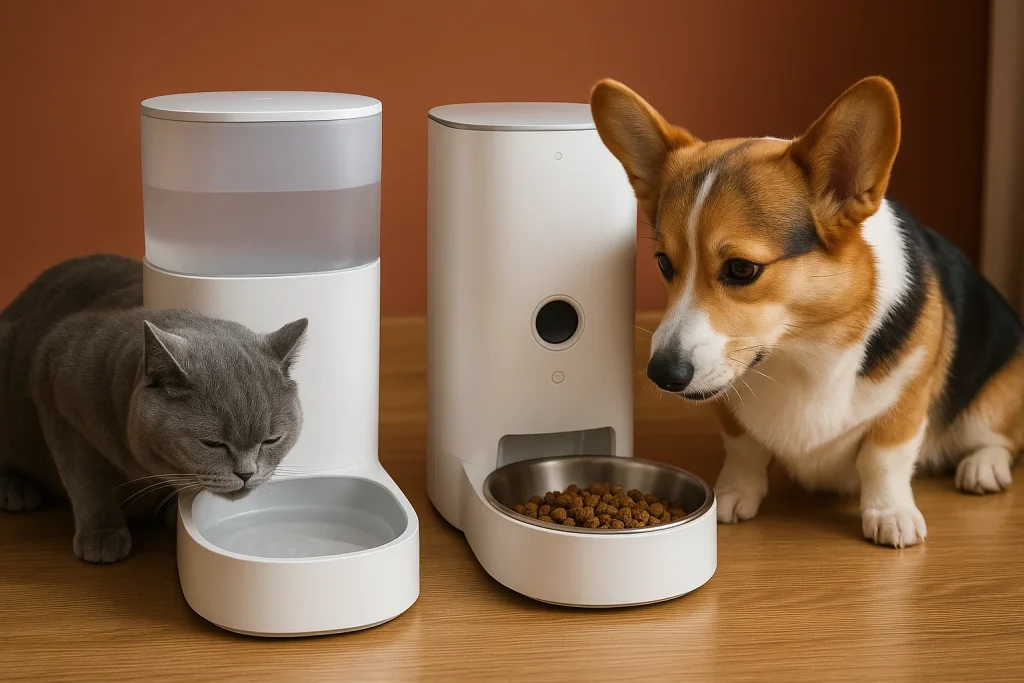
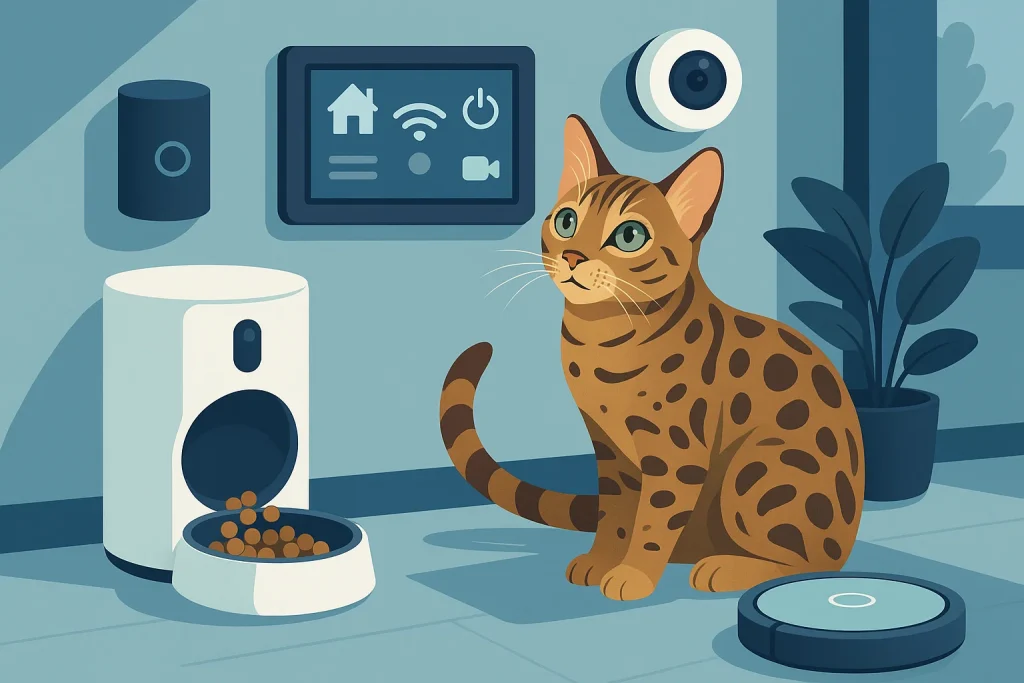
Integration begins with choosing devices that speak the same smart-home language. Platforms like Alexa, Google Home, and SmartThings act as hubs, linking feeders, cameras, and sensors under one cohesive dashboard.
When Emma set up her home, she paired her PETKIT Feeder, Furbo Dog Cam, and Tuya Smart Plug to Alexa. Each morning, Alexa dispensed breakfast, adjusted lighting, and played a calming playlist for her anxious rescue dog, Benny. “It’s like my house remembers him,” she said.
The key is compatibility—look for devices labeled “Works with Alexa/Google” or those supporting open standards like Matter. Unified control makes the system smooth, dependable, and simple to scale over time.
How Do Automated Routines Improve Pet Care?
Automation creates structure when life gets unpredictable. Feeding, playtime, and monitoring can all follow consistent schedules that mirror your pet’s natural rhythm, significantly reducing anxiety.
Jack, a nurse with long shifts, programmed his Whistle Feeder to dispense meals at 7 a.m. and 6 p.m., while a WickedBone toy activated at noon. His dog Milo learned to expect care—even when Jack wasn’t home.
Automated routines don’t remove emotion; they reinforce it. They turn care into rhythm, ensuring the stability that pets deeply rely on.
How to Ensure Data Privacy and Device Security?
Every smart connection carries responsibility. Pet cameras and feeders store activity logs, feeding schedules, and even GPS data. To protect your pet’s digital footprint:
- Use strong, unique passwords for every device.
- Enable two-factor authentication (2FA).
- Keep firmware updated to patch vulnerabilities instantly.
- Separate pet devices on a guest or IoT network to prevent network-wide intrusion.
When Mark noticed strange activity on his Eufy Pet Cam, he discovered his router firmware was outdated. A simple update—and switching his pet gadgets to a guest Wi-Fi—restored security and peace of mind.
Privacy isn’t paranoia; it’s proactive protection.
What Are the Best Smart Home Setups for Pets?
The best setups grow around your pet’s needs, not your gadget wishlist. A thoughtful layout ensures comfort and visibility.
| Zone | Essential Device | Function |
| Living/Feeding Zone | Camera (Eufy 360) + Smart Feeder (PETKIT) | Visual check-ins and precise meal dispensing. |
| Rest Zone | Temperature Sensor (Sensibo Air) + Smart Light (Philips Hue) | Circadian lighting and optimal climate control. |
| Activity Zone | Motion Sensor + Smart Plug | Tracking activity and triggering accessories (e.g., heating pad). |
When Laura upgraded to a SmartThings ecosystem, she could monitor feeding, lighting, and temperature from a single dashboard. Whether at work or traveling, her cat Nori stayed comfortable and visible—all from one glance.
The best smart homes don’t feel robotic; they feel reassuring.
What Are the Limitations of Smart Home Pet Automation?
Even the best systems can’t replace human warmth. Technology can anticipate, but it can’t empathize.
Over-automation risks neglecting real interaction—no camera can replace a hug, and no algorithm understands affection. Devices are also prone to failure: Wi-Fi drops, feeders jam, and sensors misread data.
Tom once came home to find his smart feeder stuck mid-cycle. His cat Mika sat patiently, waiting. Since then, he balances automation with manual checks—a partnership between tech and touch.
Automation should simplify care, not substitute it. The smartest home is one that still leaves room for love.