
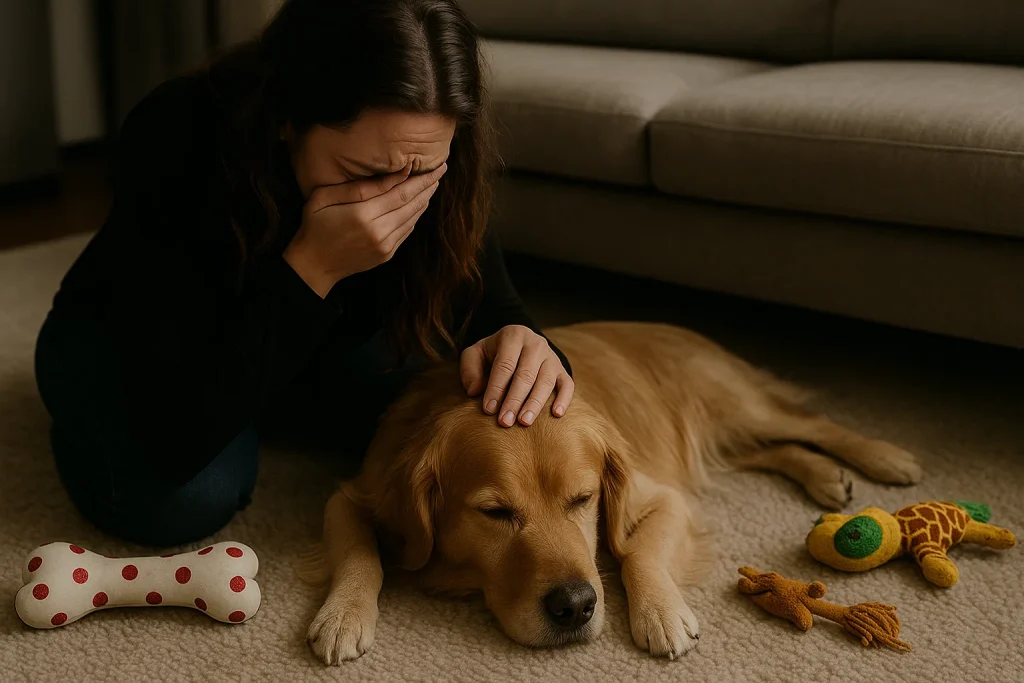
The Final Compassion: Recognizing the Signs a Dog Is Suffering and Navigating Dog Euthanasia
Saying goodbye to a dog is not just the end of a pet’s life—it feels like losing family, a best friend, and a piece of your own heart. Decisions about end-of-life care are the heaviest burden of love. By remaining informed and gentle with yourself, you can give your dog a final passing filled with peace, dignity, and compassion.
1. The Critical Signals: Signs a Dog Is Suffering and in Chronic Pain
What are the subtle, critical signs my dog is experiencing chronic pain?
Dogs are masters at hiding their pain. Subtle but critical signs that your dog is truly suffering include persistent loss of appetite, noticeable trembling or shaking in the legs, labored breathing, confusion, or suddenly withdrawing from family activity. Emily noticed her Golden Retriever, Daisy, no longer greeted her or played fetch, and she whimpered quietly at night. These changes signal a profound shift from daily comfort to a state of constant, unbearable struggle.
👉 If you observe these symptoms, speak immediately to your veterinarian about pain management options.
2. Providing Solace: End-of-Life Hospice Care Tips for Dogs
How can I create a peaceful, comfortable hospice setting for my dog at home?
When my Labrador, Max, reached his final weeks, I focused on providing gentle end-of-life hospice care. I created a “comfort corner” in the living room with his favorite blanket, soft music, and dim, warm lighting. Dogs nearing the end need immense calm, warmth, and above all, your consistent presence. Gentle touches, hand-feeding soft meals, and simply staying close gives them security and dignity.
👉 Explore essential pet hospice care tips to keep your senior dog comfortable and reassured.
3. The Ultimate Gift: When to Consider Dog Euthanasia
How do I know, truly, when it’s time to choose the gift of euthanasia?
Dog euthanasia is never easy to contemplate, but sometimes, unconditional love means choosing merciful release over prolonged, unmanageable suffering. When Daisy’s pain could no longer be controlled, Emily’s vet gently explained that euthanasia was the only way to grant her freedom from distress. Though the moment was heartbreaking, Emily later found comfort knowing Daisy’s final moments were gentle and peaceful.
👉 Discuss an objective dog quality-of-life scale with your vet to guide this decision with clarity and compassion.
4. Communicating Loss: Helping Children Understand a Dog’s Passing
What is the best way to explain pet loss and death to children?
Children often sense deep emotional changes quickly. When my niece asked about Max, I used clear but gentle language: “His body is very tired, and soon he will rest forever in peace.” We encouraged her to draw pictures of her favorite memories, which helped her process grief while celebrating his life. Always avoid confusing phrases like “going away” or “put to sleep,” which can create fear or misunderstanding.
👉 Find age-appropriate resources and books for helping children cope with pet loss.
5. Honest Evaluation: Measuring Dog Quality of Life for Senior Pets
How can I objectively assess if my senior dog still has a good quality of life?
Quality of life is not measured by the number of days remaining, but by how much those days feel like living. Can your dog still enjoy a meal, a favorite toy, or a cuddle session? Is their rest and sleep free from anxiety or distress? With Max, it became undeniably clear when constant struggle overshadowed moments of joy. An honest quality-of-life evaluation allows you to give your dog the dignity of comfort, rather than merely existing in pain.
👉 Use a dog quality-of-life checklist to make this crucial assessment with wisdom and love.
6. A Tender Farewell: Creating a Peaceful Passing for Your Dog
How can I ensure my dog’s last moments are filled with love and calm?
On Max’s final day, we chose a serene setting: beneath his favorite oak tree. I read aloud stories of his puppyhood, played soft music, and held him close. With the vet’s help, he passed peacefully at home, surrounded by the people who loved him most. Choosing a final farewell that feels profoundly personal—whether euthanasia at home or in a quiet clinic—can transform a heartbreaking moment into a memory filled with deep tenderness and gratitude for the life you shared.
Final Thought
Recognizing pain, providing unwavering comfort, and making the compassionate decision for dog euthanasia are the greatest final gifts we can offer our dogs. Whether through dedicated hospice care, an honest quality-of-life evaluation, or choosing the gentle release of euthanasia, the goal remains: to let them leave this world safe, respected, and eternally wrapped in your love.