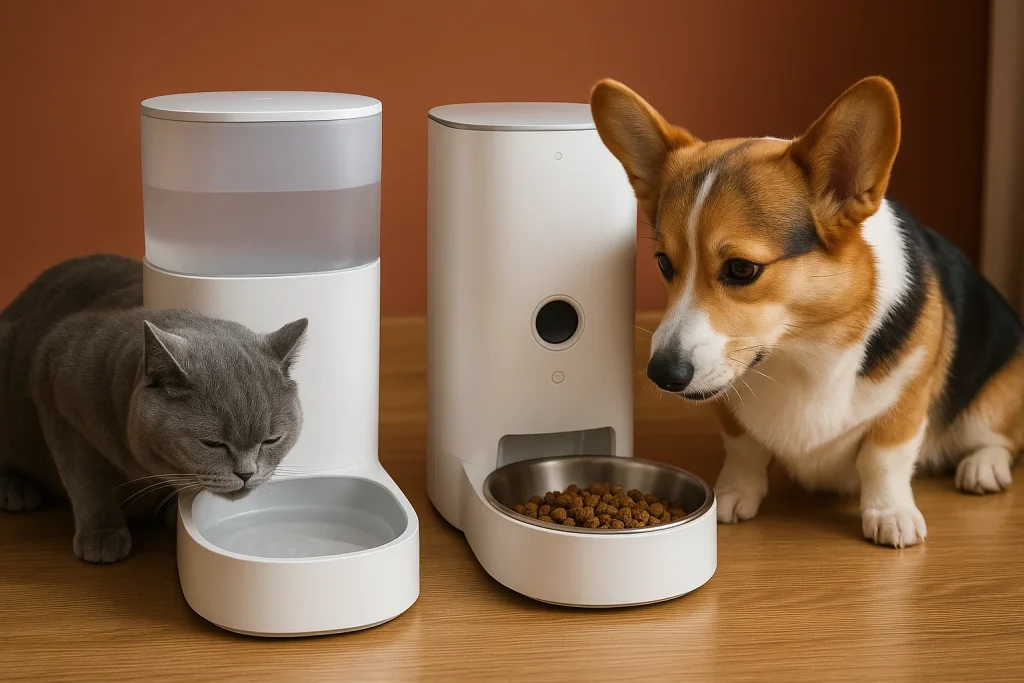
Pets move through a variety of spaces—cozy corners of your living room, sunny backyards, or bustling city parks. Understanding how Pet GPS Tracker technology functions in these different environments can help owners feel more confident and connected.
Tracking isn’t just about location—it’s about how your pet interacts with space, and how devices respond to obstacles, distance, and interference.
Outdoor tracking relies primarily on GPS satellites. Signals can cover wide areas, providing near real-time location updates. This is ideal for dogs and cats who enjoy roaming in open spaces or hiking with you.
According to ASPCA insights, consistent outdoor monitoring helps reduce the anxiety of lost pets and supports timely interventions when a pet strays too far. For active pets, devices with longer battery life and stronger signal range offer better reliability.
Indoors, GPS signals weaken due to walls, ceilings, and electronic interference. Many trackers use hybrid technology—combining GPS with Bluetooth or Wi-Fi triangulation—to improve accuracy.
For example, an indoor pet tracking device might detect movement across rooms but cannot pinpoint exact coordinates with satellite GPS alone. Owners may notice a lag or slight location drift compared to outdoor readings.
- Active Outdoor Pets: Long-range GPS trackers provide peace of mind. Features like geofencing and real-time alerts can signal when your pet moves beyond a safe zone.
- Indoor or Apartment Pets: Bluetooth-enhanced trackers or Wi-Fi-supported collars often give better accuracy within smaller, structured environments.
- Mixed Environments: Some devices automatically switch between GPS and local triangulation, offering seamless tracking both indoors and outdoors.
By understanding these differences, owners can select technology that truly matches their pet’s lifestyle and home layout.
Q: Why does GPS seem less accurate indoors?
A: Walls, ceilings, and electronic devices interfere with satellite signals. Hybrid trackers with Bluetooth or Wi-Fi can improve indoor accuracy.
Q: Are outdoor GPS trackers affected by weather?
A: Most outdoor-capable trackers are waterproof and resilient, though heavy storms can slightly reduce signal quality.
Q: Can I use the same tracker for indoor and outdoor tracking?
A: Yes, many modern devices switch between GPS and local triangulation automatically.
Q: How far can outdoor GPS signals reach for pets?
A: Coverage varies by device, often up to several miles, depending on battery, terrain, and environment.
Understanding how indoor and outdoor pet GPS trackers work allows for informed choices. It’s not just technology—it’s about creating a safer, calmer environment for your pet. With the right setup, you can watch over your furry friend without stress, whether they’re exploring the backyard or napping on the couch.