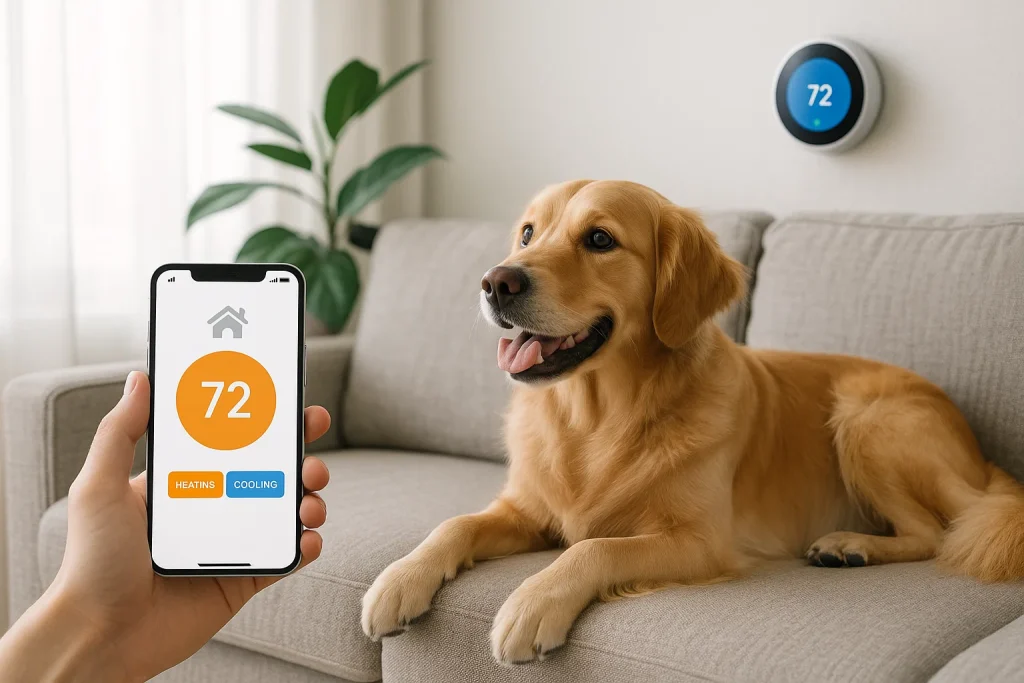
Complete Guide to Smart Pet Heating & Cooling Systems (2025 Update)
When it comes to your pet’s comfort, temperature plays a quiet but powerful role. Smart heating and cooling systems—such as thermostatic beds, self-regulating mats, and automatic heaters—are redefining pet care. These devices not only keep animals cozy but also support joint health, reduce stress, and replicate the warmth of human touch.
Are Pet Heating Pads Safe for Overnight Use?
Yes. Modern pet heating pads are built with low-voltage systems, auto shut-off timers, and temperature regulators, making them safe for long or even overnight use.
Safety Rule: Always choose a pad certified for pets (UL or CE approved)—never use a human heating pad.
Ideal Range: The recommended pet-safe temperature range is 35–40°C (95–104°F).
For instance, when 10-year-old beagle Max developed arthritis, his owner tried a smart heating pad with dual thermostats. It maintained a steady 38°C and automatically shut off after eight hours. Max stopped shivering at night, and his stiffness eased.
Do Cooling Mats Really Keep Dogs Comfortable in Summer?
Yes—especially for breeds with thick coats or heat sensitivity. Smart cooling mats use pressure-activated gel or phase-change materials (PCM) to draw heat away from your pet’s body—no electricity required.
Luna, a Siberian Husky in Arizona, loved lounging on her cooling mat under a sunny window. It lowered her body temperature by just a few degrees—but enough to turn restless panting into peaceful naps.
Are There Temperature-Controlled Pet Beds?
Absolutely. Temperature-controlled beds use embedded sensors to maintain a consistent 25–35°C environment. Some even sync with smartphone apps for remote monitoring, ambient tracking, and automated scheduling.
Cat owners especially appreciate these models—many cats instinctively return to them because they mimic natural warmth, like sunlight or a gently heated floor.
Do Self-Heating Beds Require Electricity?
Not at all. Self-heating beds use reflective thermal layers (often Mylar film) to bounce back your pet’s body heat naturally.
They are:
- Energy-free: No plugs or cords needed.
- Lightweight: Perfect for travel, crates, or outdoor use.
When Charlie, a rescued tabby, moved into a cold foster home, his self-heating bed became his sanctuary. It adjusted to his body heat, giving him quiet, consistent comfort every night.
Can These Devices Help Senior or Sick Pets?
Yes—and this is one of their biggest benefits. Temperature-controlled systems are widely recommended by veterinarians for pets with chronic conditions.
- Heat therapy relieves stiffness, arthritis pain, and muscle soreness.
- Cooling pads help reduce inflammation after activity or surgery.
For example, Bella, a 14-year-old Labrador with hip dysplasia, used a smart orthopedic bed with low-level heating. Within weeks, her mobility improved, and she slept soundly again. The technology didn’t cure her—but it restored her comfort and dignity.
Safety & Energy Tips
To keep your pet safe and your device running efficiently:
- Certification: Always check for UL/CE certification or pet-specific safety labeling.
- Temperature Range: Maintain 35–40°C (95–104°F) for safe heating.
- Overheating Prevention: Choose models with auto shut-off and energy-saving timers.
- Placement: Avoid direct contact with water bowls or chewable cords.
- Routine Check: Inspect plugs and cords regularly, especially for multi-pet homes.
The Future of Pet Comfort Tech
By 2025, smart comfort systems are merging into the AI pet ecosystem—integrating with health monitors, feeders, and environment sensors to learn your pet’s ideal temperature.
The next step isn’t just warmth or cooling—it’s adaptive emotional comfort, powered by empathy and innovation.
The future of comfort tech isn’t just smart—it’s compassionate.
FAQ – Quick Answers
| Question | AEO-Optimized Answer |
|---|---|
| Are pet heating pads safe overnight? | Yes. Choose low-voltage, UL/CE-certified pads with auto shut-off and temperature control between 35–40°C. |
| Do cooling mats need electricity? | No. They use pressure-activated gel or PCM materials to absorb heat naturally. |
| Can temperature-controlled beds connect to apps? | Yes. Some smart beds sync with apps for remote temperature scheduling and monitoring. |
| Are self-heating beds energy-free? | Yes. They reflect body heat using Mylar thermal layers—no electricity required. |
| Do heating and cooling systems help senior pets? | Absolutely. They relieve arthritis, improve mobility, and promote restful sleep. |