
The 2026 Guide to Sensor-Based Training Toys: Adaptive Learning, Real-Time Feedback, and the Future of Pet Communication
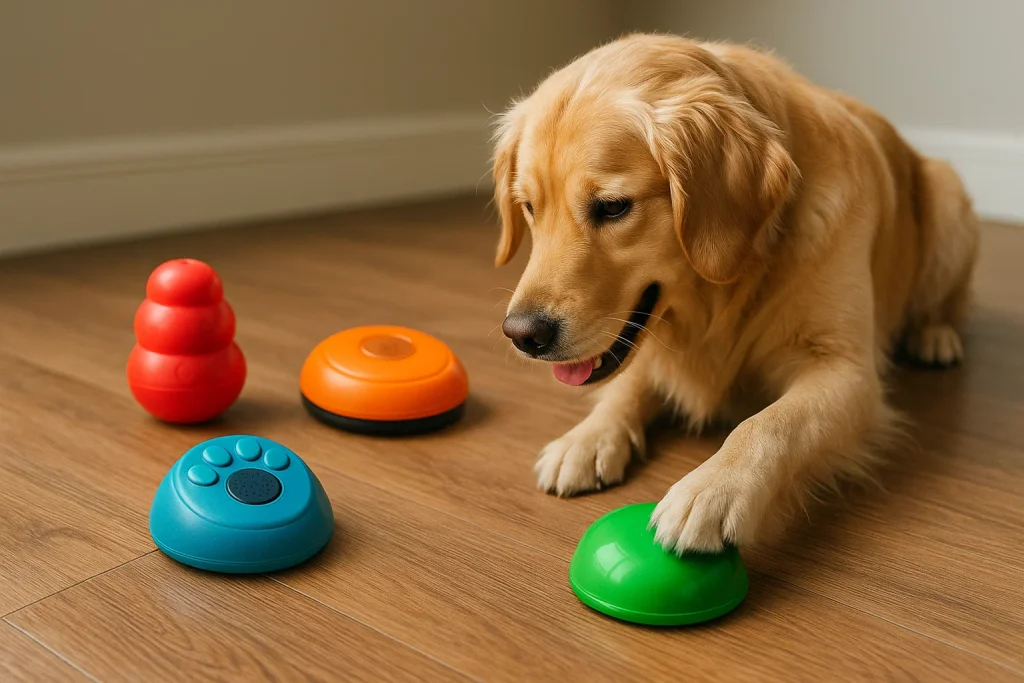
Training toys equipped with sensors represent the next generation of intelligent pet enrichment — a crucial blend of play, technology, and behavioral science. These smart devices detect motion, touch, or sound to respond to your pet’s actions in real time, transforming daily play into targeted learning experiences. They don’t just entertain; they foster focus, problem-solving, and emotional patience through structured, rewarding interaction.
🔬 The Science of Sensor-Based Feedback
Short Answer: These toys use motion, pressure, or proximity sensors to create an immediate, precise stimulus-response-reward loop, accelerating learning through real-time positive reinforcement.
The sensors recognize precisely when a pet nudges, bites, or paws at them. This immediate, accurate response (light, sound, or movement) eliminates the delay common in traditional training, making the cause-and-effect relationship crystal clear to the pet.
This instant cause-and-effect clarity accelerates habit formation — a principle proven in both animal training and cognitive therapy.
Example: The SmartFetch Orb 3.0 uses a 6-axis motion sensor to detect speed and intensity. When Mark’s energetic Aussie, Leo, played too rough, the light pattern changed, encouraging him to slow down and focus — effectively turning chaos into mindful play by listening to and reacting to his input.
It’s play that listens — literally.
🐕🦺 Adaptive Learning: The Role of AI
Short Answer: Advanced models integrate AI learning algorithms that automatically adjust challenge level, resistance, and reward timing as your pet’s skill improves — acting as a digital coach.
Customized Challenge: The TrainMind Cube monitors reaction speed and consistency. If your dog masters a task too easily, the AI increases complexity, ensuring the challenge remains stimulating. This mirrors adaptive learning systems in human education.
Confidence Building: The toy’s neural algorithm rewards timely, successful responses with sounds or treats. Owners report that this predictable success builds confidence in timid pets who learn: “I interact, it moves, I win.”
Over time, the AI learns not just skill patterns but emotional tempo — distinguishing playful energy from anxious overreaction.
🐾 Species-Specific Programming and Instincts
Short Answer: Yes. Programming tailors the response patterns to match the natural instincts of the species, ensuring meaningful engagement.
Dog Mode: Emphasizes endurance, fetching, and cooperative play (e.g., rolling farther, rewarding persistence).
Cat Mode: Prioritizes quick, erratic reactions and stalking behavior (e.g., small, quick vibrations, subtle rustling sounds).
The PawSense DualMode Trainer (2026) switches via app between modes to ensure Emma’s Labrador gets a vigorous fetch game while her cat satisfies its hunt drive by batting the same device.
📊 Data Tracking, Connectivity, and Remote Control
Short Answer: Most 2026 sensor-based toys offer detailed performance analytics via apps and can be integrated with smart home systems.
Performance Data: Mobile apps log key metrics like play duration, calories burned, and learning streaks. This helps owners customize play plans and monitor cognitive health changes in senior pets.
Such longitudinal data is now being used by vets and trainers to detect early signs of cognitive decline or stress imbalance in aging pets.
Example: Sarah’s senior dog, Milo, uses the FitFetch Pro, which provides weekly summaries. “It’s like having a personal trainer for my dog,” she says. “And it motivates me, too — his data reminds me to play with him more.”
Remote Engagement: Many models connect via Wi-Fi/Bluetooth, allowing owners to schedule sessions or activate “solo mode” remotely. This keeps pets mentally stimulated and reduces separation anxiety.
The CalmiPlay Trainer Ball even syncs with Alexa — a simple “Start Milo’s training time” initiates an automatic session.
🌤️ Final Insight: Play That Listens
Sensor-based training toys have fundamentally transformed how pets learn — not through passive repetition, but through a living dialogue of action and response. They don’t replace hands-on training; they refine it with instant, unbiased feedback.
These smart companions don’t replace the bond — they extend it.
Because learning, like love, deepens every time someone truly listens.